







Search Results for: Blue Mountain production area standards
A Detailed Guide to Jamaican Blue Mountain Coffee Bean Production Regions: Is Saint Thomas Parish Authentic?
Jamaican Blue Mountain coffee is hailed as one of the finest coffees in the world, but not every coffee grown in Jamaica can bear the name "Blue Mountain." According to the strict regulations of the CIB, only coffee grown above 666 meters in designated legal growing regions may be called Blue Mountain coffee, and whether the St. Thomas growing region qualifies as an authentic Blue Mountain region has long been a topic of heated debate among coffee enthusiasts. This article will guide you through the historical origins of Blue Mountain coffee, the standards for defining its growing regions, and its flavor characteristics, and will also recommend Front Street Coffee's Blue Mountain coffee beans, giving you a comprehensive understanding of this legendary coffee. [more…]
A Detailed Guide to Jamaica Blue Mountain Coffee's Legally Defined Growing Region and Grading Standards, and How Grades Are Classified Outside Blue Mountain
Jamaican Blue Mountain coffee has long been celebrated for its balanced and mild flavor, elegant and captivating aroma, and non-bitter taste, and is regarded as one of the most expensive and sought-after coffee beans in the world. However, exactly what kind of beans qualify to bear the name "Blue Mountain"? And how should Jamaican coffee produced outside the legally designated Blue Mountain growing region be graded? This article will provide a detailed overview of the legal production area of Jamaican Blue Mountain coffee, the specific grading requirements for Blue Mountain beans and Jamaican High Mountain beans in terms of bean size, appearance, and defect rate, while also explaining easily confused concepts such as Blue Mountain Blend and Blue Mountain Flavor, and introducing product information related to Front Street Coffee's Jamaican Blue Mountain Mavis Bank washed processing facility. [more…]
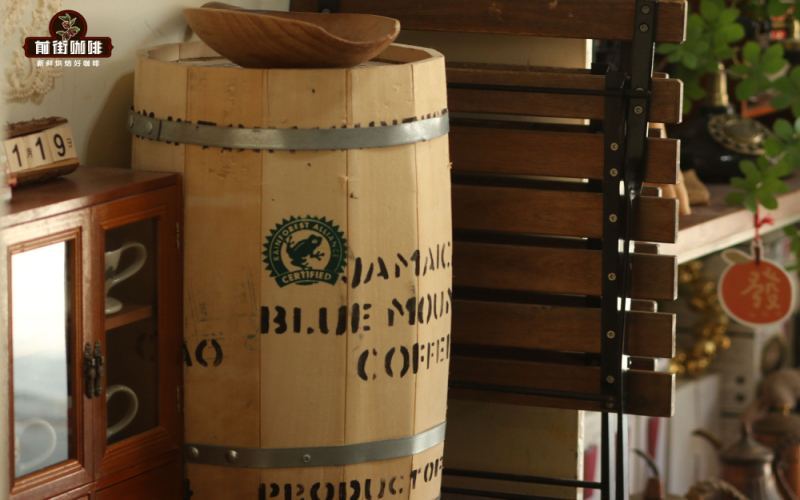
A Complete Analysis of Jamaican Blue Mountain No. 1 Coffee Beans: From History and Producing Regions to Identification Methods, with Pour-Over Parameters and Brewing Practice
Jamaican Blue Mountain coffee is a timeless classic in the world of specialty coffee. Even in 2020, Front Street Jamaican Blue Mountain No. 1 remains a formidable competitor that many new varieties find hard to shake. This article, from the perspective of Front Street Coffee, systematically sorts through the historical origins of Blue Mountain coffee, the definition of authentic growing regions, CIB grading standards, the characteristics of the Typica variety, and the two major misconceptions that people easily fall into when distinguishing authenticity. It also includes the green bean characteristics, roasting curves, and cupping flavors of Front Street washed Blue Mountain and sun-dried Blue Mountain, and provides hand-brewing parameters and staged pouring schemes for the Kono dripper, helping enthusiasts truly understand Blue Mountain, choose the right Blue Mountain, and brew a good cup of Blue Mountain. [more…]
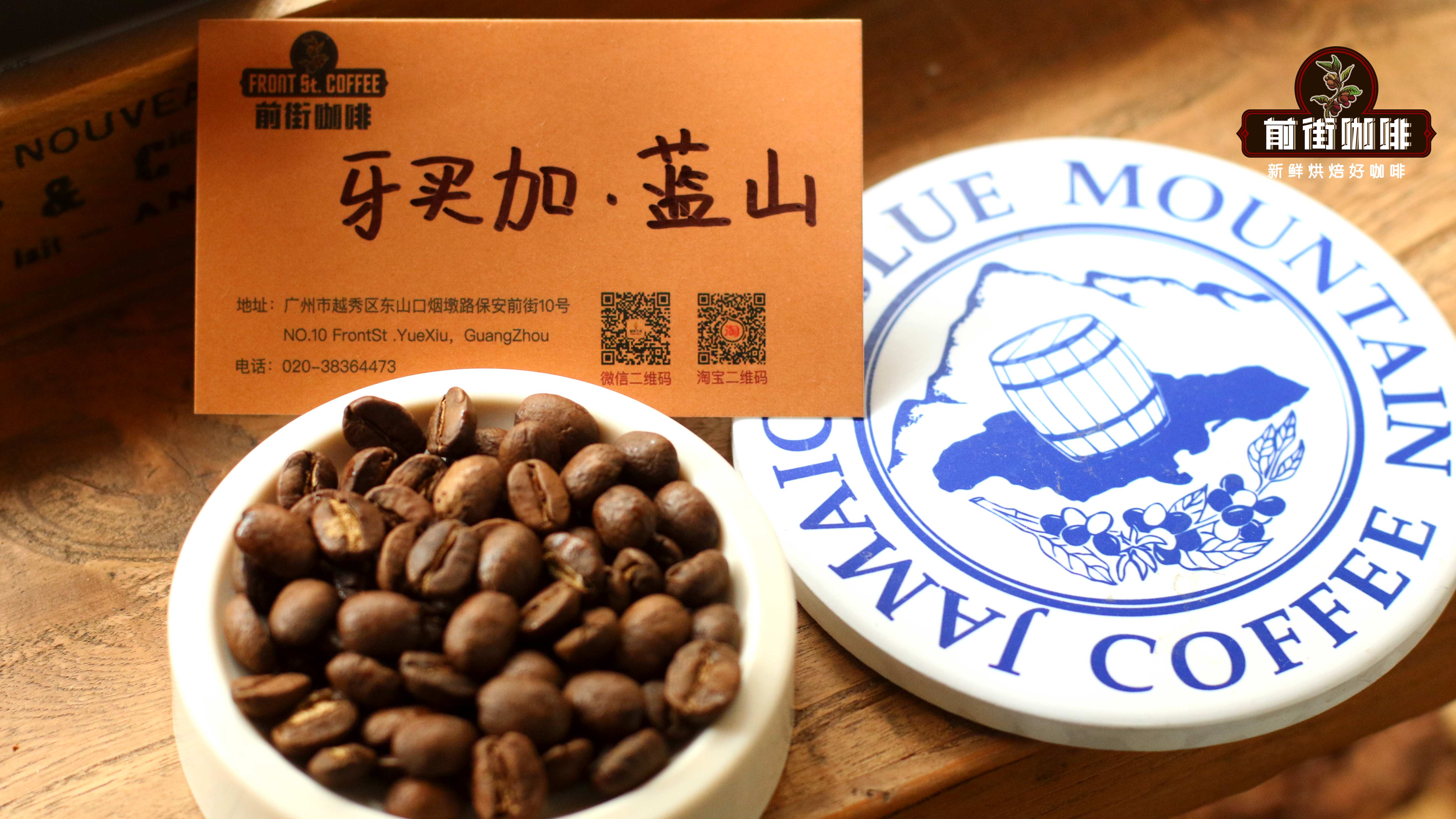
A Complete Guide to Jamaican Blue Mountain Coffee: Origin, Cultivation History, Grading, and Flavor Profile
Blue Mountain coffee has long been regarded as the benchmark of the coffee world, but do you really know it? From the blue mountain shadows reflected in the Caribbean Sea, to a planting decree issued by a French king in the 18th century; from the strict standards of the Jamaica Coffee Industry Board, to the two-century farming tradition carried on by Clifton Estate, every step of Blue Mountain coffee's journey is filled with stories. This article will guide you through the cultivation history and three major production regions of Jamaican Blue Mountain, explain the boundaries between the three grades—Blue Mountain, High Mountain, and Prime—and provide an in-depth analysis of how the Typica variety and washed processing shape its classic clean, balanced, and comfortably lingering flavor profile. It will also introduce the origin information and flavor performance of Front Street Jamaica Blue Mountain No. 1 coffee beans, helping coffee enthusiasts build a more complete understanding of Blue Mountain coffee. [more…]
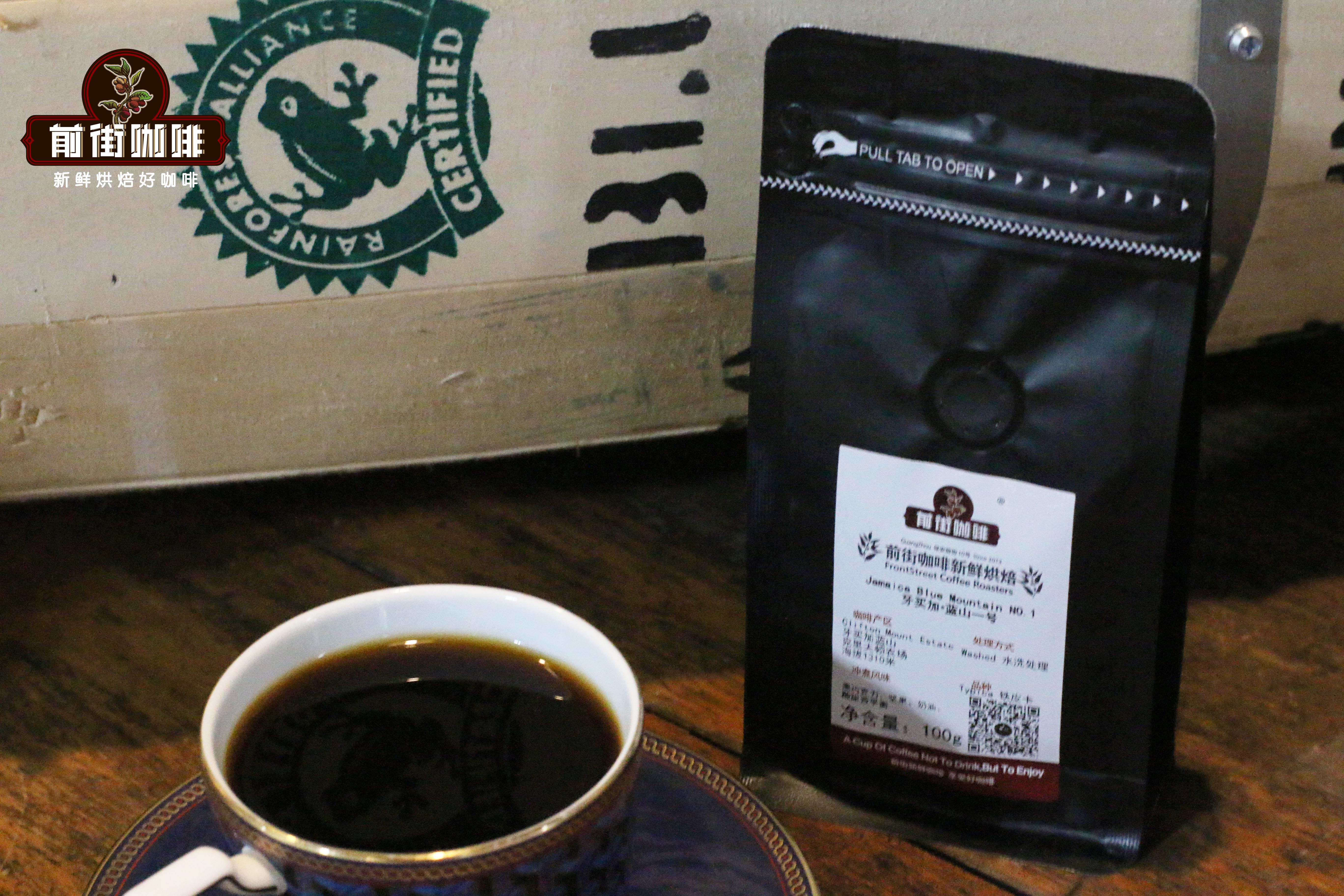
What exactly does Blue Mountain blend coffee refer to? A full analysis of the grading standards and brewing taste of authentic Jamaican Blue Mountain beans
Blue Mountain coffee is known as the "Hermès" of the coffee world, but products on the market bearing the labels "Blue Mountain flavor" or "Blue Mountain blend" are a mixed bag and have no connection to authentic Jamaican Blue Mountain coffee. This article begins with the concept of "Blue Mountain flavor" and sorts through the Jamaica Coffee Industry Board's (CIB) definition of the Blue Mountain growing region, the Typica variety's dependence on high-altitude environments, the history of Japan's early monopoly on export quotas, and the grading logic from Blue Mountain No. 1 down to peaberry. It also draws on Front Street's Jamaica Blue Mountain No. 1 to share KONO dripper brewing parameters and staged extraction techniques, helping readers understand the true source of this bean's mellow, rounded body and long-lasting sweet finish. [more…]
Jamaica Blue Mountain Coffee Wallenford Estate Origin Analysis: Growing Conditions, Grade Classification, and Variety Overview
Jamaican Blue Mountain Coffee, as a representative of the world's top specialty coffee, has always attracted much attention for its cultivation conditions, variety classification, and grading standards in the Wallenford Estate production area. Starting from the unique flavor of Blue Mountain Coffee, this article provides a detailed overview of the production area divisions and grading systems of Jamaica's three major coffee varieties—Blue Mountain Coffee, High Mountain Coffee, and Jamaican Coffee—analyzes the definition of Blue Mountain Coffee under CIB standards at elevations above 666 meters, and introduces Front Street Coffee Blue Mountain's low caffeine content, flavor characteristics, and medium-roast recommendation. At the same time, it examines the relationship between the scarcity of Blue Mountain Coffee production and its market price, helping coffee enthusiasts gain a comprehensive understanding of the true nature of this legendary coffee. [more…]

Why Is Jamaican Blue Mountain Coffee So Expensive? A Full Analysis of Authentic Blue Mountain Flavor and How to Identify and Choose It
Blue Mountain coffee and Blue Mountain flavor coffee differ by only two characters, yet they are two completely different concepts. Authentic Blue Mountain coffee comes from the Blue Mountains of Jamaica at elevations above 1,000 meters, with scarce production and high prices, while many so-called "Blue Mountain flavor" products on the market may not contain a single authentic Blue Mountain bean. This article will systematically sort out the historical origins, legally defined production areas, grading standards, wooden barrel packaging, and other key points for identifying Jamaican Blue Mountain coffee, and introduce the specific performance of Front Street Coffee's two Blue Mountain beans—washed and natural—in roasting, cupping, and brewing, helping coffee enthusiasts clarify concepts, avoid purchasing pitfalls, and truly understand the value of authentic Blue Mountain coffee. [more…]
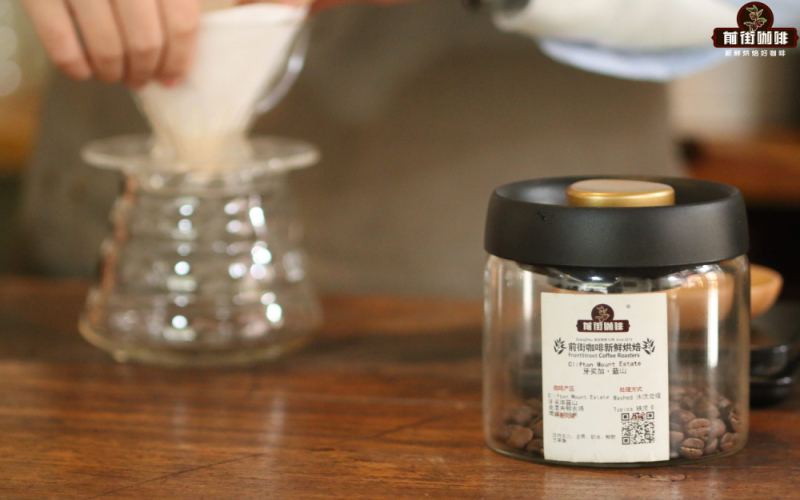
A Comprehensive Analysis of Jamaica's Coffee Classification System and Blue Mountain Coffee Grade Standards: From Regional Certification to Bean Type Grading
The name Blue Mountain coffee is almost universally known, and "Blue Mountain flavor" drinks are everywhere on supermarket shelves and in vending machines, but how exactly are coffee beans that truly meet the Jamaican Blue Mountain standard defined? Into what categories does the Jamaican coffee industry classify coffee? From the perspective of Front Street Coffee, this article sorts out the Blue Mountain coffee producing regions, the differences between the washed and natural processing methods, and the rainforest certification background of Clifton Mount Estate, reviews the historical thread of Jamaican coffee from its rise in the 18th century to the revival brought about by the intervention of Japan's UCC, and explains in detail the CIB certification system and the bean-size grading standards such as NO.1, NO.2, NO.3, and PB, helping coffee enthusiasts build a practical framework for identifying authentic Blue Mountain coffee. [more…]
A Guide to Identifying Authentic Jamaican Blue Mountain Coffee: Certificates, Prices, and Flavor Profile Fully Explained
Blue Mountain coffee is hailed as the "Emperor of Coffee," but the market is flooded with a mix of genuine and fake products, making it hard to tell true from false. From the perspective of Front Street Coffee, this article systematically sorts out the historical origins of Jamaican Blue Mountain coffee, the certified authentic production regions, the green bean grading standards, the characteristics of the Typica variety, and the differences between the two processing methods of washed and natural. At the same time, it explains in detail how to identify genuine Blue Mountain through features such as the CIB certificate and wooden barrel packaging, and includes the roasting curve, cupping report, and brewing parameters of Front Street's washed Blue Mountain, helping coffee enthusiasts gain a comprehensive understanding of the true appearance and value of this top-tier coffee. [more…]
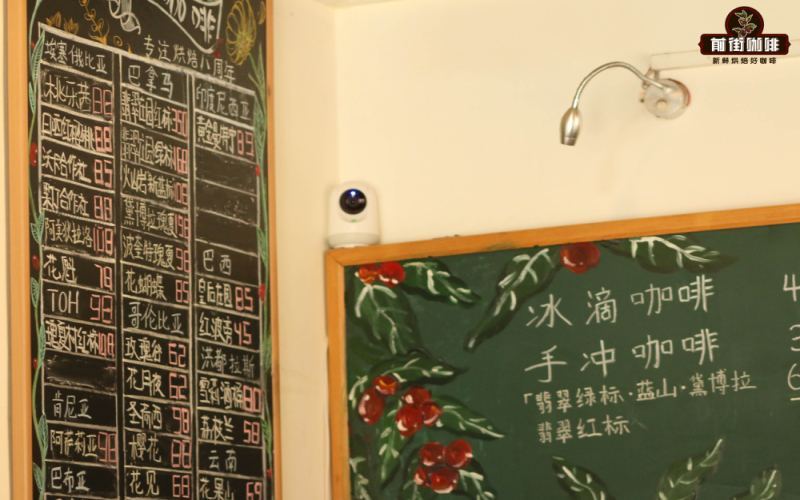
The Origin of the Name Jamaican Blue Mountain Coffee, Grading Standards, and a Full Analysis of Blue Baron Estate
The name Blue Mountain coffee is almost universally known in coffee circles, and drinks bearing the "Blue Mountain flavor" label can be seen everywhere on supermarket shelves and in vending machines, but these are far removed from the real Jamaican Blue Mountain. How exactly did authentic Blue Mountain coffee get its name? How are its grades classified? And what is the background of those long-famous estates in the Blue Mountain range? This article, from the perspective of Front Street Coffee, will sort out the origins of the Blue Mountain coffee name, its historical development, methods for distinguishing authenticity, and the grading system established by the CIB, while also introducing the background of core producing origins such as Blue Baron Estate. At the end, it will also share the brewing parameters and flavor performance of Front Street Jamaican Blue Mountain No. 1, helping coffee enthusiasts gain a more comprehensive understanding of this legendary coffee. [more…]
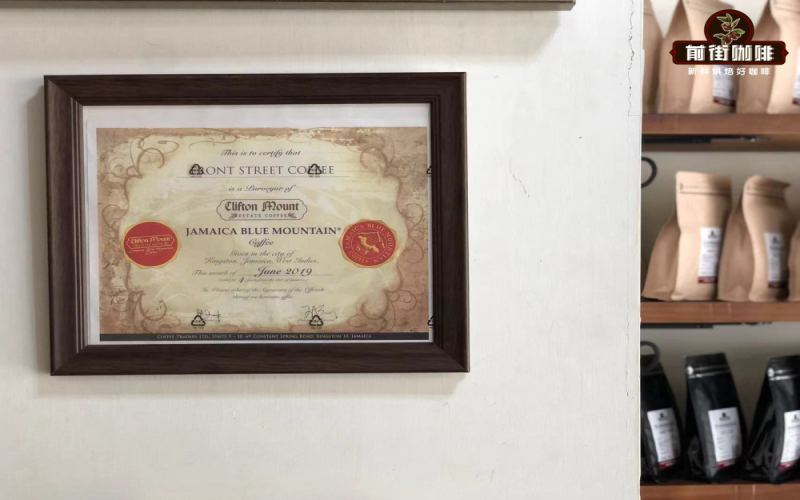
Exploring Jamaican Blue Mountain Coffee: From Wallenford to Clifton, a Full Analysis of Authentic Estates and History
The reputation of Blue Mountain coffee is thunderous, but many products labeled "Blue Mountain" on the market are actually just flavored beverages. Where exactly is genuine Jamaican Blue Mountain coffee produced? Which estates have received official certification? This article begins with Front Street Coffee's Blue Mountain No. 1, tracing the three-hundred-year rise and fall of Blue Mountain coffee, interpreting the strict standards of the Jamaica Coffee Industry Board (CIB), and focusing on the two authentic estates of Wallenford and Clifton, guiding you to understand what truly certified, pure Blue Mountain coffee really is. [more…]
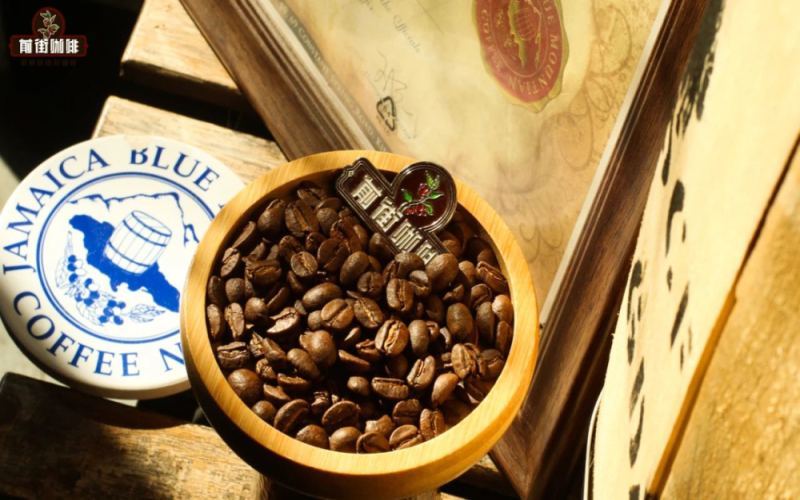
A Comprehensive Analysis of Jamaican Blue Mountain Coffee Grading and Quality Certification Standards
Blue Mountain coffee has always been a name that draws considerable attention in the specialty coffee world, but do you really understand it? From the introduction of the Typica variety to the Jamaican government's strict designation of growing regions; from the NO.1 to Peaberry grade classifications to the barrel export and CIB certification system—every step determines Blue Mountain coffee's unique status. This article will systematically sort out the classification methods of Jamaican coffee, the quality standards of Blue Mountain coffee, and the key brewing points for Blue Mountain No.1, taking you through this legendary coffee from the ground up. [more…]
A Guide to Authenticating Jamaican Blue Mountain Coffee: Origins, Grades, Pricing Insights, and Characteristics of the Genuine Article
Blue Mountain coffee is hailed as the pinnacle of the coffee world, but the market is full of imitations and it is hard to tell genuine from fake. What exactly is authentic Jamaican Blue Mountain coffee? Why does it sell for such a high price? And what is the truth behind the rumors of a Japanese monopoly? Starting from the growing environment, official definition standards, and historical price factors of Blue Mountain coffee, this article systematically sorts out the aroma, flavor characteristics, certificates, and packaging marks of genuine Blue Mountain coffee. Combined with specific product information on Front Street Blue Mountain No. 1, it teaches you step by step how to identify real Blue Mountain coffee beans and avoid falling into traps and wasting money. [more…]
A Comprehensive Analysis of Jamaican Blue Mountain Coffee Beans: Origin, Varieties, Grading, Roasting and Brewing Characteristics, Prices, and Stories
Blue Mountain coffee is an extremely well-known name in the coffee world, but few people truly understand it. Jamaica has strict production-area restrictions on the naming of Blue Mountain coffee: only coffee grown within designated altitude ranges in the Blue Mountain range can bear the name Blue Mountain, and Blue Mountain No. 1 is the most strictly graded tier among them. This article will systematically sort out the full picture of Blue Mountain coffee from multiple angles, including production area scope, variety characteristics, grade classification, certification marks, the historical causes of its price, and roasting and brewing suggestions, helping coffee lovers make more accurate judgments when purchasing. The article also retains Front Street Coffee's recommendation information about Blue Mountain No. 1 coffee beans, including Clifton estate products, roast levels, and brewing parameters and other practical content. [more…]
Tracing Jamaican Blue Mountain Coffee: From Wallenford to Clifton, Front Street Coffee Decodes the Oldest Blue Mountain Estate
The fame of Blue Mountain coffee is almost universally known, yet most so-called "Blue Mountain flavor" drinks on the market are not authentic. Where does genuine Jamaican Blue Mountain coffee actually come from? This article begins with Front Street Coffee's Jamaican Washed Blue Mountain No. 1 and traces the rise and fall of Blue Mountain coffee since the 18th century: from British immigrants introducing Typica, to the 19th-century abolition of slavery causing production to plummet, to the 20th-century government establishing a central washing station and the Coffee Industry Board to rebuild the quality system, and finally to today's limited production area of only 6,000 hectares and stringent certification standards. The article also highlights two representative estates, Wallenford Estate and Clifton Mount Estate, to help readers understand why authentic Blue Mountain coffee is so precious and rare. [more…]
The Complete Guide to Authentic Jamaican Blue Mountain Coffee Bean Market Prices, Purchasing Key Points, and Front Street Coffee Pour-Over Parameters
Blue Mountain coffee was once an unattainable top-tier beverage, but today enjoying its authentic flavor is no longer difficult. At Front Street Coffee locations, you can savor a cup for just 60 yuan, and Blue Mountain No. 1 coffee beans are priced at 158 yuan per 100 grams. This article focuses on authentic Blue Mountain coffee, first introducing its unique growing environment and the strict management system of the Jamaica Coffee Industry Board, then outlining the grading standards from Blue Mountain No. 1 to Blue Mountain Peaberry, and explaining the historical origins of Japan's long-term priority purchasing of Blue Mountain coffee. Next, in response to the proliferation of genuine and fake products on the market, it summarizes methods for identifying authentic products, including price judgment, aroma characteristics, and certificate and barrel verification. Finally, Front Street Coffee shares a pour-over extraction plan for Blue Mountain No. 1, from dripper selection, grind size, and water temperature to the three-stage pouring steps, helping readers fully reproduce the classic Blue Mountain flavor. [more…]
Why Has Jamaican Blue Mountain Coffee Long Been Dominated by Japan? Practical Methods to Identify Authentic Blue Mountain vs. Counterfeits
Blue Mountain coffee is internationally renowned and hailed as the epitome of luxury in the coffee world, yet the market is flooded with a large number of counterfeits sold under the Blue Mountain name. Authentic Jamaican Blue Mountain coffee comes from a specific area delimited by the Jamaica Coffee Industry Board (CIB), at an altitude of about 910 to 1,700 meters, with the variety restricted to Typica. Its annual output is less than 15% of Jamaica's total coffee production, about 900 tons. As early as 1981, the Japanese company UCC established a farm in Jamaica, and Jamaica promised to sell 90% of the Blue Mountain quota to Japan, which is also the origin of the claim that Blue Mountain is dominated by Japan. This article will guide you through the origin standards, grade classifications, and identification points of Blue Mountain coffee, as well as how to brew a cup of authentic Front Street Jamaican Blue Mountain No. 1 at home. [more…]
Jamaica Blue Mountain Coffee Bean Variety Analysis: A Complete Guide to Typica Arabica, Grading Standards, and Flavor Characteristics
Blue Mountain coffee and Kopi Luwak were once ranked side by side as the most expensive and top-tier coffee representatives in the minds of Chinese consumers. But what variety do Blue Mountain coffee beans actually belong to? Why has it earned the reputation of "King of Coffee"? This article will systematically analyze the identity code of authentic Blue Mountain coffee, starting from the geographical environment of Jamaica Blue Mountain, variety tracing, grading system, and historical evolution. At the same time, Front Street Coffee will combine Blue Mountain coffee beans from Clifton Farm to share the differences between washed and natural processing methods, cupping flavor performance, and pour-over brewing parameters, taking you through a comprehensive understanding of this legendary coffee. [more…]
A Comprehensive Analysis of the Grading Standards, Origins, Varieties, and Flavor Characteristics of Jamaican Blue Mountain Coffee Beans
Blue Mountain coffee is renowned worldwide for its balanced ratio of acidity, sweetness, and bitterness along with its elegant aroma, but products marketed under the "Blue Mountain" banner vary widely in quality, and the output of coffee that truly meets Jamaica's legal standards is extremely limited. This article systematically reviews the growing conditions, variety selection, historical development, legally defined production regions, washed processing procedures, and the JCIB grading system of Jamaican Blue Mountain coffee, and also details Front Street Coffee's roasting approach and pour-over brewing recipe for Blue Mountain No. 1, helping readers fully understand every key stage of this legendary coffee from cultivation to cup. [more…]
The Varietal Characteristics and Brewing Methods of Blue Mountain Coffee Beans: A Complete Analysis from Origin Grading to Pour-Over Practice
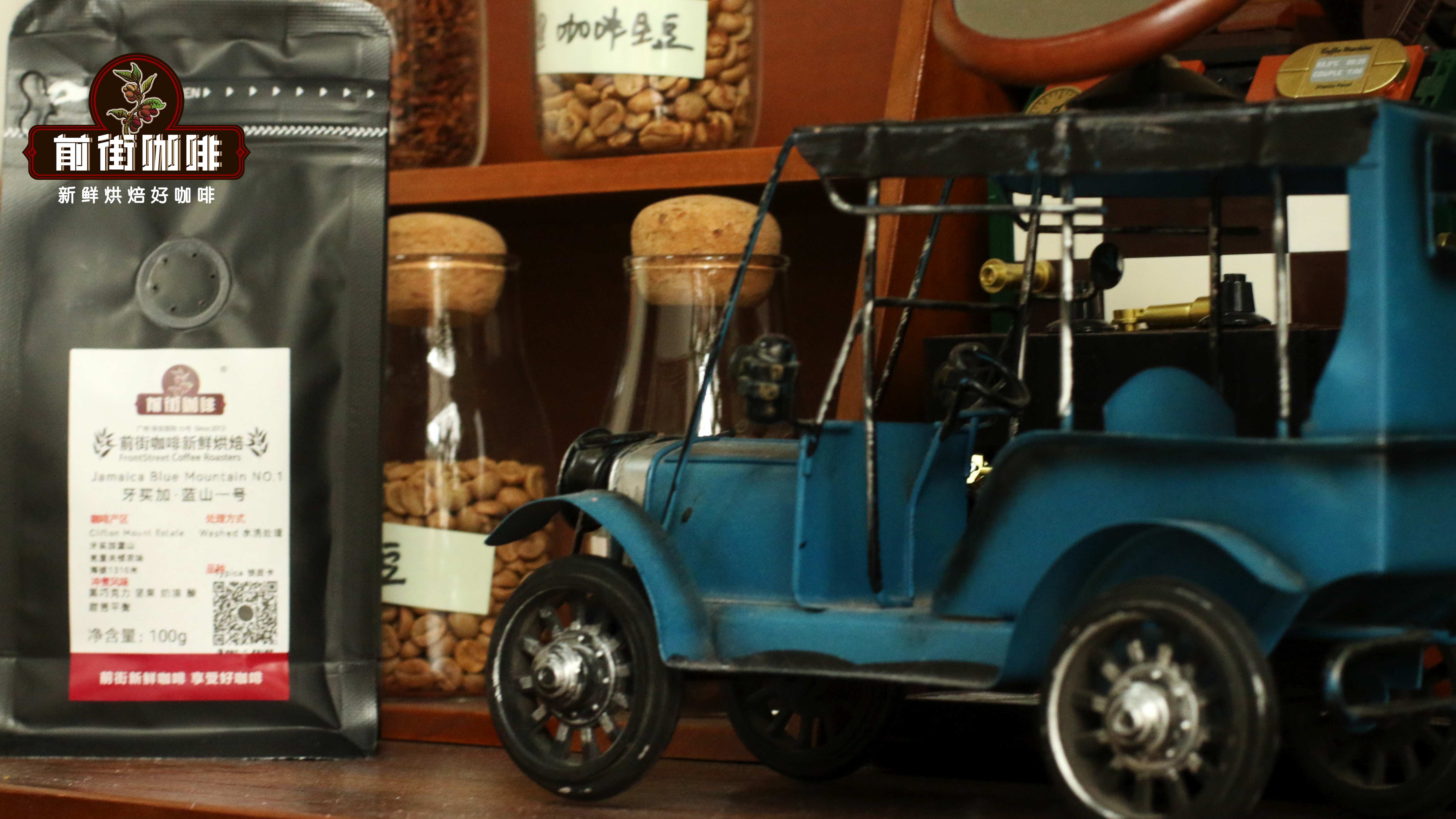
Blue Mountain coffee was once expensive due to its scarce production, but today, thanks to the efforts of brands like Front Street Coffee, it has become part of everyday life. Starting from the growing environment and historical background of Blue Mountain coffee, this article outlines the grading standards of the Jamaica Coffee Industry Association and the tradition of barrel packaging, and focuses on the roasting approach and pour-over extraction method for Front Street Blue Mountain No. 1. It also provides practical methods for identifying authenticity, such as price judgment, aroma recognition, and certificate verification, helping coffee enthusiasts make more accurate judgments when purchasing and brewing, and fully presenting the classic Blue Mountain flavor. [more…]